


It is a debate that divides opinion across the globe. What defines a sporting great?
Many will say that greatness should be defined purely by the success and achievements of an individual. Others will argue that dignity and character need to accompany that success. Some will insist that irrespective of success, longevity is paramount to be considered for legendary status.
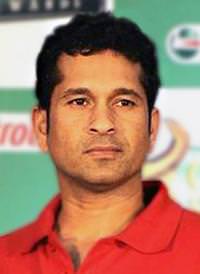
However, with Indian cricketer Sachin Tendulkar, little debate is required. The ‘Little Master’ ticks all three boxes box and more.
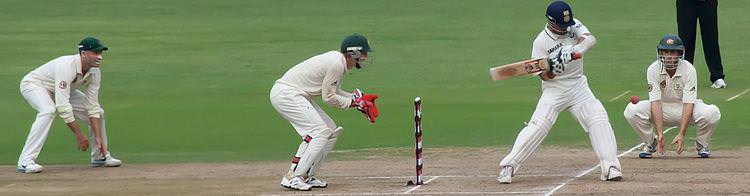
When Tendulkar walked off a cricket field for the final time, following the conclusion of India’s recent test match with the West Indies in Mumbai, not only did we wave goodbye to the most prolific test match and one day international run scorer of all time - we waved goodbye to a man who for more than two decades performed at the pinnacle of his sport, and who did so amidst a weight of expectation that few others can associate with.
His career statistics speak for themselves. More than 34,000 international runs, and the unique achievement of 100 international centuries – speak volumes of his individual brilliance that was crowned by his participation in India’s 2011 World Cup winning squad.
But to judge the 40-year-old purely on numbers sells him way short. Every time Tendulkar walked to the crease, a hyperbole of pressure, frenzy and mass support followed him.
Attendances at test matches in India would rise as he prepared to bat, and every boundary was emphatically celebrated, every century sparked bedlam. Comparisons to god, in many of his fan’s eyes, were genuine.
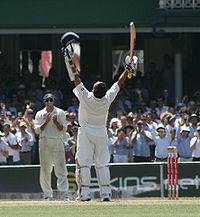
On the converse side, every dismissal was met with stunned silence, and every failure saw thousands of dejected youngsters and adults trudge home in disappointment. Indeed, it is alleged in India that one supporter committed suicide when Tendulkar narrowly missed out on his 100th international century. Never before, has the performance of one man in a team sport had such influence on the morale of a nation.
But despite this, his temperament at the crease remained impeccable. Furthermore, like all true greats, he was intelligent enough to adapt his game to prolong his career at the top. By his own admission, his batting in the twilight of his career became more measured and conservative. Big innings were credited to concentration, technique and experience, as opposed to the aggressive stroke making and exquisite timing he displayed in his prime.
This did not represent a weakness, but a recognition that he had to adapt to counteract the physical struggles that inevitably come with increased age.
Indeed, Tendulkar represents a rarity in modern day sport – an iconic figure whose career has not been tainted by arrogance, dislike or scandal (a controversial one match ban in 2001 for picking the seam of a cricket ball remains the only blot on his copybook).
His achievements may have brought him considerable wealth and fame, but his modern and humble demeanour has rarely wavered.
Whether he goes down as the single best batsmen of all time will remain open to debate. The majority will say yes, though some will argue the average of Don Bradman sets him above the rest. Brian Lara fans may claim his innovative style and top test score of 400 not out make him number one. Others will make a case for the likes of Ricky Ponting, Alan Border, or Rahul Dravid, to name but a few.
But regardless, Tendulkar’s place as an all time sporting great, whatever your criteria, is infinitely secure.